


Whoa! My first time holding a card-based crypto wallet felt oddly familiar, like a bank card with a secret. It clicked fast — small, unobtrusive, and tactile — and yet there was an underlying tech stack that felt both reassuring and a little unnerving. At first glance it’s just a piece of plastic, but then you tap it and your phone lights up with a signed transaction, and your brain has to catch up. I’ll be honest, the simplicity sells itself; my instinct said this could be the most user-friendly cold storage we’ve seen in years.
Seriously? People actually trust a card more than a seed phrase. On one hand a seed phrase written on paper is simple and auditable, though actually it’s fragile and very easy to mess up. On the other hand, a tamper-evident NFC card stores private keys inside secure hardware and never exposes them — which is the whole point of cold storage. Something felt off about earlier hardware wallets: they worked great for power users, but felt clunky for everyday folks. This card approach lowers the activation energy for true cold custody, while still keeping key material offline and inaccessible to apps or cloud services.
Here’s the thing. Cards like Tangem’s use an embedded secure element designed to resist physical attacks, and they combine that with NFC or Bluetooth to sign transactions without ever sending the private key out. That’s neat. It reduces human error in seed backup procedures. It also rethinks recovery models and tradeoffs that people assume are fixed, though actually they’re choices you make at setup. My first impression was: elegant. Then I started testing edge cases and asking hard questions.
Hmm… who carries a card in their wallet? Many of us do. This form factor leverages existing behaviors and taps into muscle memory, which is huge for adoption. People are more likely to use cold storage if it behaves like a thing they already carry. The card isn’t perfect for every use case — it’s a design tradeoff that favors convenience and stealth. I wanted to find out whether that convenience compromises security in subtle ways; spoiler: it depends on how you use it.
Initial setup is pleasantly simple. Plug or tap the card, pair it with the wallet app, and the key is ready to sign. The experience removes the cognitive load of writing down 24 words and stashing them in fireproof safes — a nice very very important quality in friendly UX. But remember: simplicity at the surface can hide complex failure modes, and users should still think like defenders.
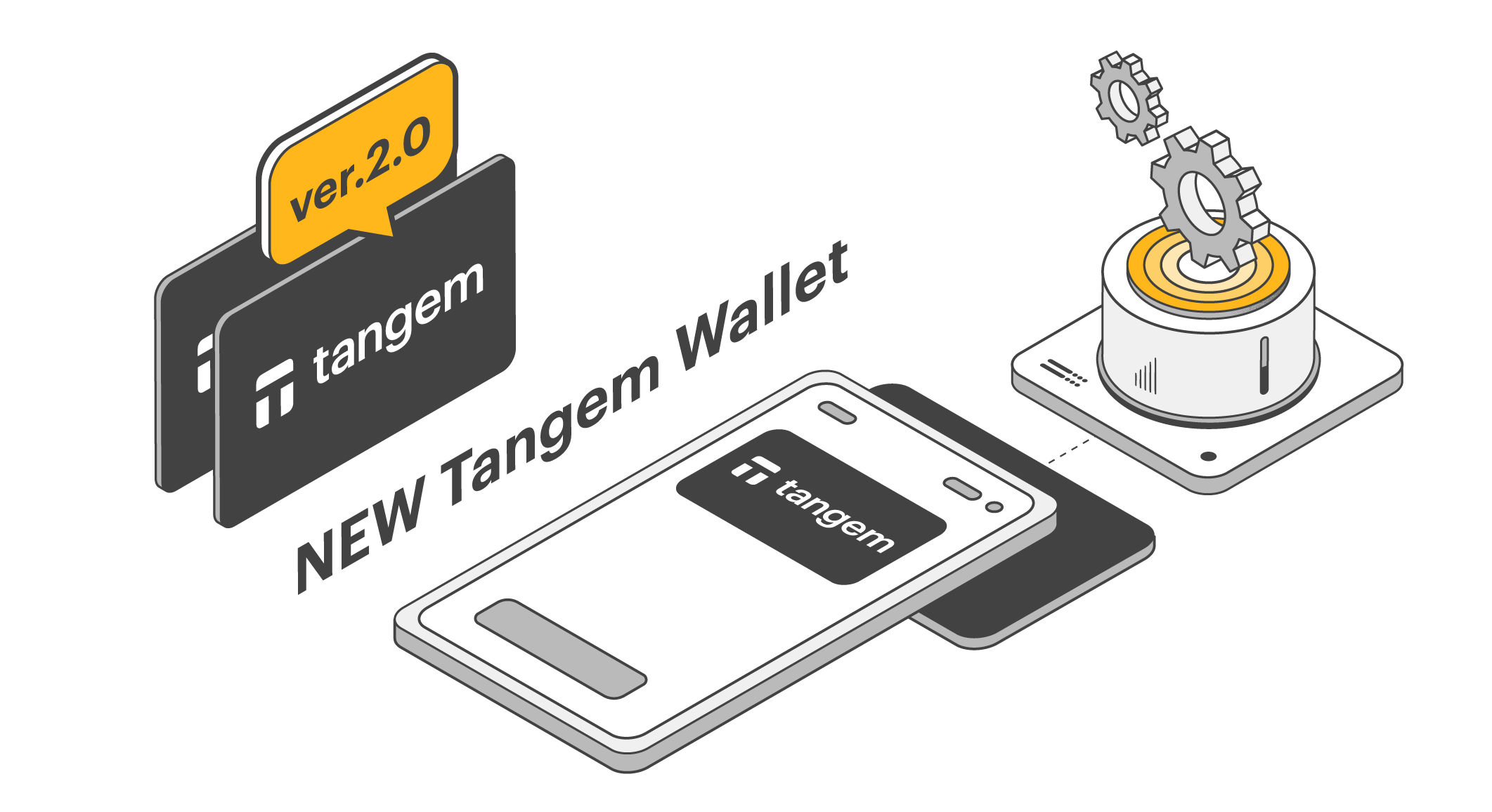
How Tangem-style Card Wallets Work (without the jargon)
Okay, so check this out—inside the card is a secure chip that generates and stores a private key. It never exports that key. The phone or computer constructs a transaction, sends it to the card over NFC, and the card signs it internally. Then the signed transaction goes back to the phone to broadcast, which keeps the private key offline. Initially I thought that sounded too good to be true, but the cryptographic model is straightforward and proven. On a practical level it means you can do secure custody without a bulky device or scribbled paper.
On one hand the card is less intimidating than a USB hardware wallet. On the other hand you give up some advanced features like air-gapped PSBT flows that power users love. My take: for most people this is the right balance. If you need multi-sig workflows or complex coin control, you might still prefer a different setup. But for single-key cold storage that’s meant to be used periodically, this card nails the sweet spot.
My instinct said the main threat isn’t the card itself, but human behavior around the card. People misplace things. They forget what “tamper-evident” really means. They re-use PINs that are easy to guess. All of those behaviors reduce the effective security of any device. So the tech is only as good as the practices around it.
Here’s what bugs me about naive comparisons: some writeups treat card wallets as if they magically solve backups. They don’t. You still need a recovery plan. The Tangem model often uses multiple cards or backup cards that can be stored separately, or an emergency recovery phrase printed and kept offline. I like the multiple-card approach because it decentralizes the single point of failure, but it does raise the bar for storage discipline.
Really? You can lose a backup card and still recover if you planned ahead. Yes, but only if you set things up that way ahead of time. Planning beats panic every time, though obviously planning isn’t fun.
Security: Practical Threats and Real Protections
Threat models matter here. If someone targets you as a high-value individual, then physical theft and coercion are real concerns. The card’s secure element resists cloning and tampering, but under duress a thief could force you to sign. My read is that the card is resilient against remote attacks like malware and phishing, because the key never leaves the chip. That’s a huge win. Local attacks — like advanced side-channel or fault injection — require specialized gear and skill, and while possible, they’re not trivial for mass attackers.
For everyday users the biggest risks are more mundane: losing the card, losing the backup, or using weak pins. The card mitigates many remote threats but you still need operational security. Keep backups in geographically separated, trusted locations, and consider using a multi-card scheme if you hold significant funds. Sound basic? It is, and yet people forget it all the time.
Actually, wait — let me rephrase that. Use the card for what it’s good at: cold signing with convenience. Don’t use it as a golden master for every transaction without thinking. For frequent trades, use a hot wallet with small balances, and keep the lion’s share offline. This layered approach reduces attack surface and keeps day-to-day friction low.
Something felt off when I first learned some users store a backup card in a single safe. That’s single-point-of-failure thinking. Instead, split backups across trusted custodians, safety deposit boxes, or geographically separated family members. You can be conservative here and still maintain convenience for occasional access. I’m biased toward redundancy; I’d rather carry two backups than risk losing everything.
Hmm… there’s also the social engineering angle. A card that looks like a credit card is easy to mislabel and hide, but it’s also easy for someone to trick you into tapping it. Training matters. Treat your card like cash or a physical key: don’t tap it into untrusted devices or accept help from strangers during a transaction unless you verify clearly.
Usability: Why People Actually Use These Cards
In the US, people love convenience that doesn’t feel like compromising safety. The card fits that cultural preference. It’s discreet in a wallet and uncomplicated during transactions. When people can adopt cold storage without learning complex workflows, adoption rises. That human habit is powerful.
Practical example: gifting crypto. Instead of handing someone paper seed words, you can give a pre-loaded card with a recovery option, and they’ll actually use it. The friction is lower and the chance of losing the gift is smaller. It’s a real world advantage that matters for adoption and education.
But there are limits. Cards typically handle single-key wallets, so heavy traders, institutional setups, or advanced DeFi users will need more elaborate solutions. Also, while NFC is common on smartphones, not every phone plays nicely — especially older models. Always test compatibility before relying on a specific phone. I once had an Android model that behaved oddly, and it was a lesson in not assuming universal support.
My advice: treat the card as one tool in a toolkit. Use it for savings accounts, legacy protection, and for users who want simplicity. Use multisig or cold-airgap setups for very large holdings or for organizational custody. That mix works in practice.
Where to Learn More
If you want a guided look at a Tangem-style card and how it fits into cold storage workflows, check this resource here. It’s a practical starting point and links to manufacturer details and hands-on tutorials that help bridge the gap between theory and practice. I found it useful when I started testing cards for daily use, and you might too.
One more practical tip: label backup cards subtly. Use a coded label that only you understand. Don’t write “crypto backup” on the outside. That’s common sense, but it’s worth repeating. And keep a written emergency plan that tells heirs how to access funds if needed, because even the best tech fails without human continuity.
FAQ
Are card wallets as secure as traditional hardware wallets?
They offer comparable cryptographic security for most threats, especially remote attacks, because the private key never leaves the secure element. Differences emerge in recovery models and advanced workflows; choose based on needs and threat model.
What if I lose the card?
Recovery depends on how you set up backups. Use multiple backup cards or a securely stored recovery phrase. Don’t rely on a single physical token unless you’re willing to accept the risk.
Can a phone compromise the card?
No—malware on the phone can’t extract keys from the secure chip, but a compromised phone could trick you into signing malicious transactions, so verify transaction details on-screen and keep your phone reasonably secure.
Who should use a card wallet?
Everyday users seeking simple cold storage, people gifting crypto, and those who value stealth and low-friction secure custody. Advanced users or institutions may prefer multisig or more customizable hardware setups.